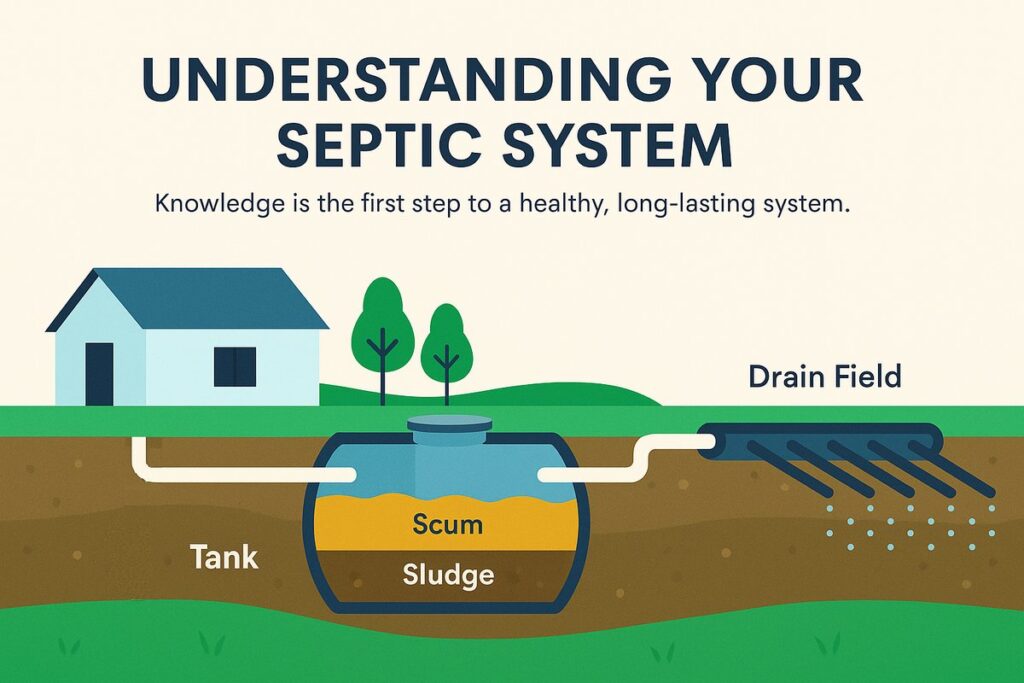
A septic system is an underground wastewater treatment structure commonly used in rural areas without centralized sewer systems. It consists of a septic tank and a drain field (also called a leach field).
The tank separates solids from wastewater.
The drain field filters the liquid (effluent) back into the soil.
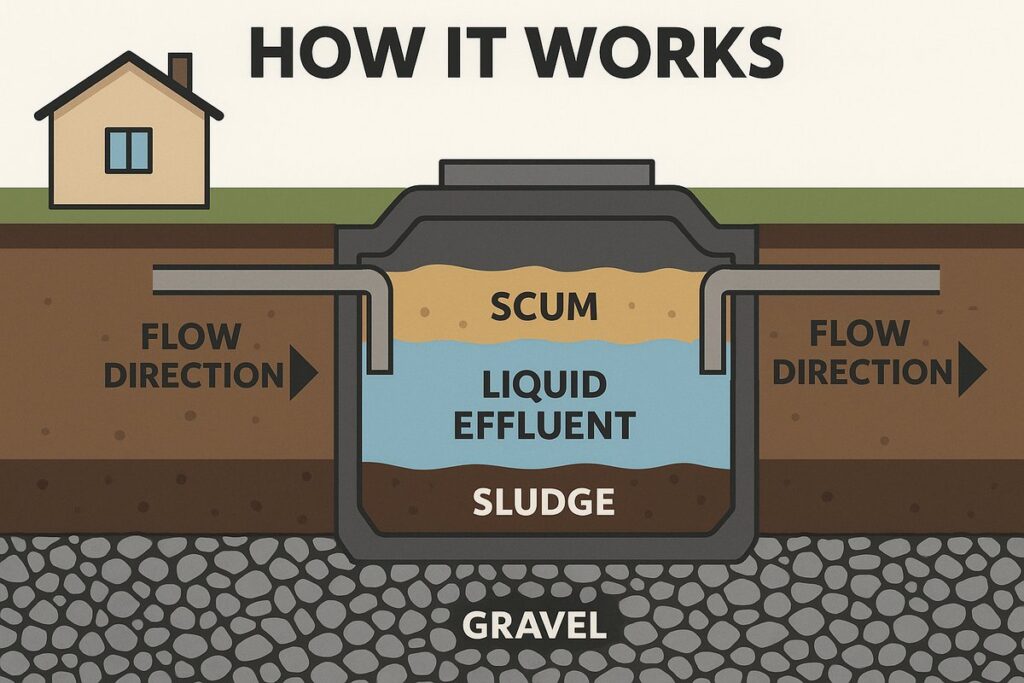
⚙️ How It Works
Wastewater from your home flows into the septic tank.
Solids settle to the bottom (sludge), grease and oils rise to the top (scum), and liquid stays in the middle.
Bacteria begin breaking down the waste.
The liquid (effluent) flows into the drain field for natural filtration through soil.
The tank separates solids from wastewater.
The drain field filters the liquid (effluent) back into the soil.
🔍 Common Septic System Types
Conventional System (most common)
Pressure Distribution Systems
At-Grade Systems
Holding Tanks (non-treatment, must be pumped regularly)
Box Mound (used where soil depth is shallow or has poor structure, or the water table is high)
We will help you determine which is right for your sight.
Soderstrom Septic Inc. is also the most experienced Box Mound system installer in the state of Minnesota, with over one hundred systems installed. We specialize in not just a functional, efficient system, but one that can have a high aesthetic appeal as well.
One of our decorative Box Mound Systems
🛑 What Not to Flush
To protect your system and avoid costly backups, never flush:
Wet wipes (even “flushable” ones)
Feminine hygiene products
Grease or cooking oil
Harsh chemicals or bleach
Medications
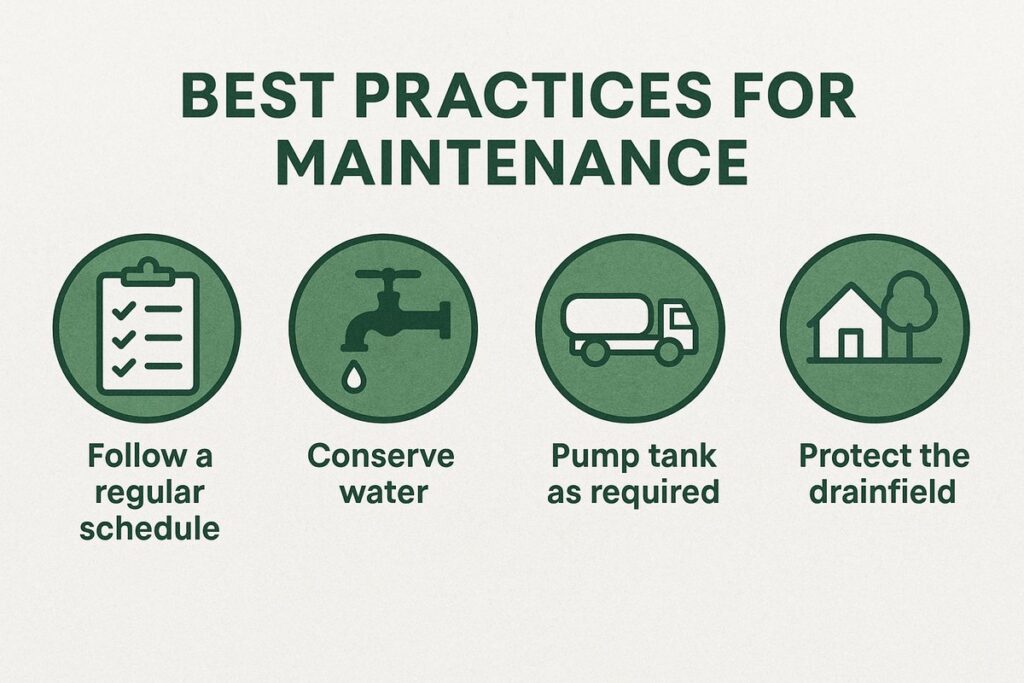
🧼 Best Practices for Maintenance
Pump your tank every 3–4 years
Don’t park or drive over your system
Direct downspouts and sump pumps away from the drain field
Use water efficiently (fix leaks, space out laundry loads)
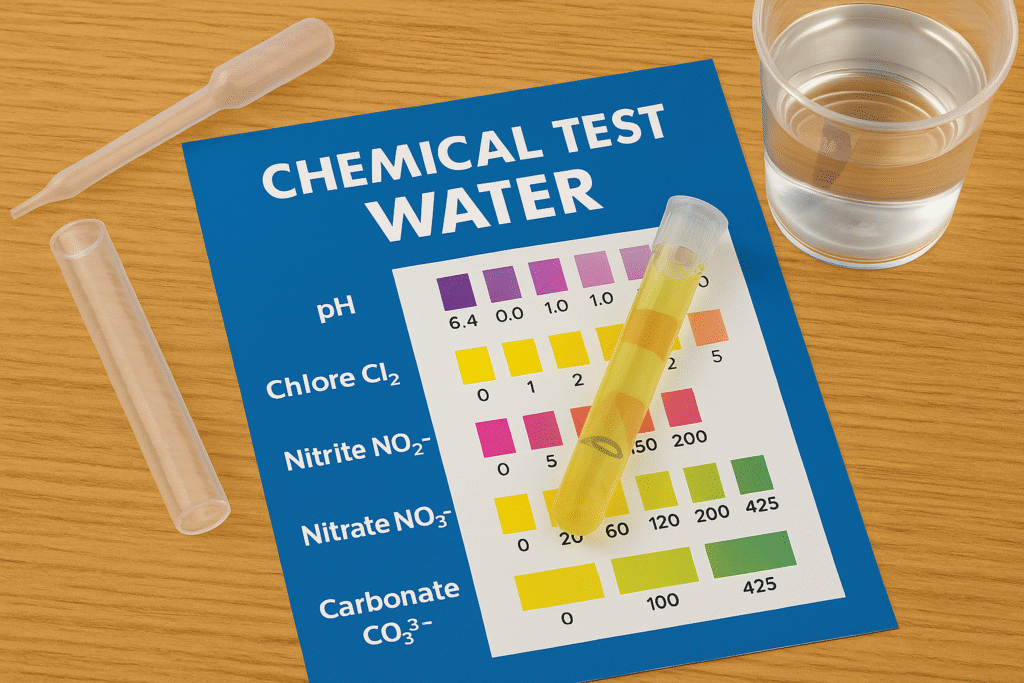
🧪 Water Testing: A Vital Step
If you have a well, routine water testing ensures your drinking water is free of contaminants—especially important for property sales or when installing new septic systems.
📋 What Happens During an Inspection?
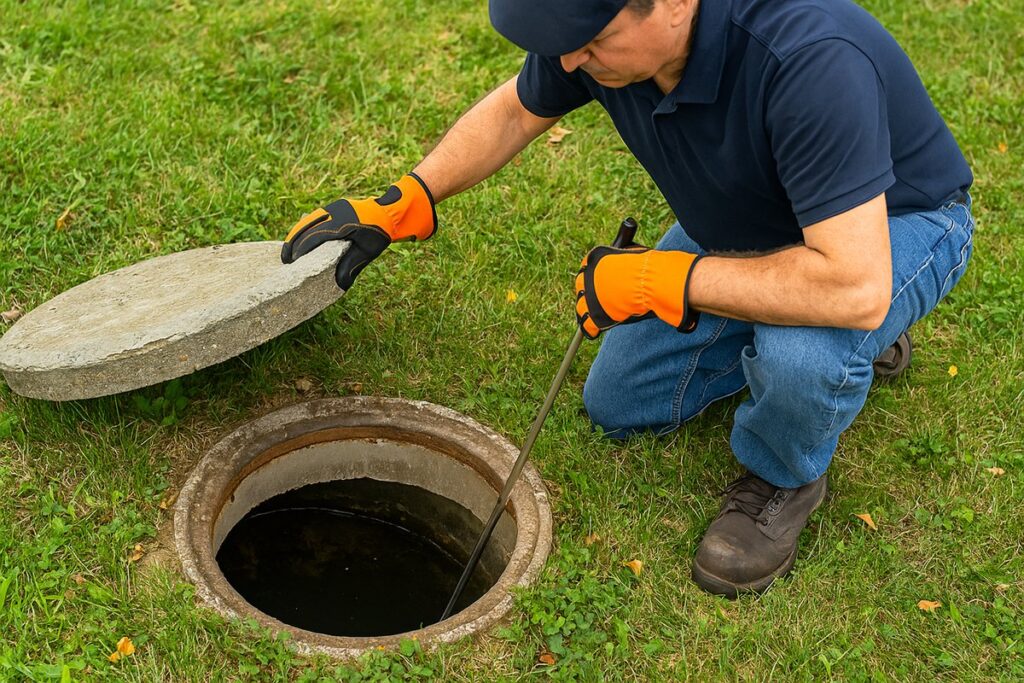
Locate and uncover the tank
Measure scum/sludge levels
Check for cracks, leaks, and backups
Evaluate the drain field
Provide a detailed report and recommendations
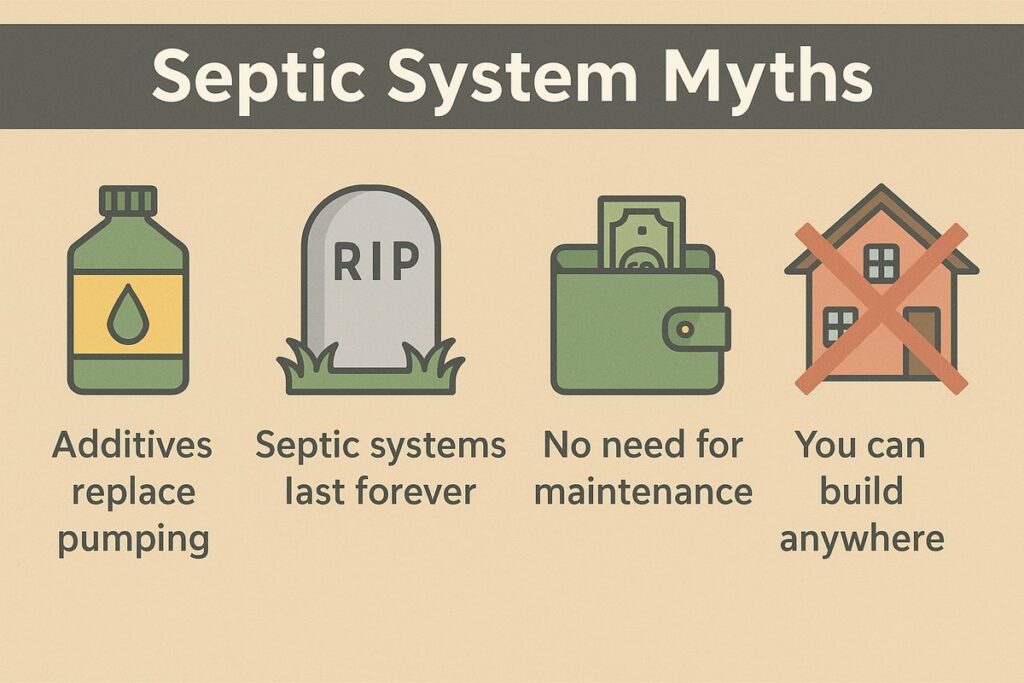
🧠 Septic System Myths – Busted!
Myth
Reality
“Additives eliminate pumping.”
Nope. Pumping is still essential.
“If it’s working, don’t touch it.”
Preventive care beats costly repairs.
“I can flush anything if I have a garbage disposal.”
Not unless you like calling us often.
📅 When to Call a Pro
Call us if you notice:
Gurgling drains or slow flushes
Standing water or wet patches in your yard
Foul odors near your drain field
Backups into the home
📞 Still Have Questions?
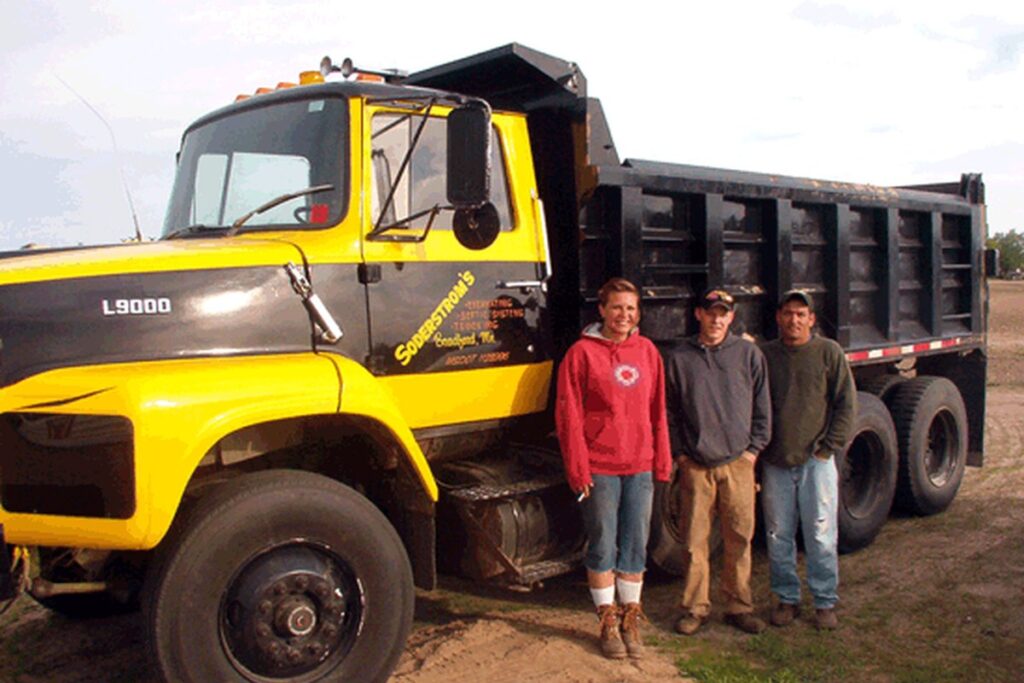
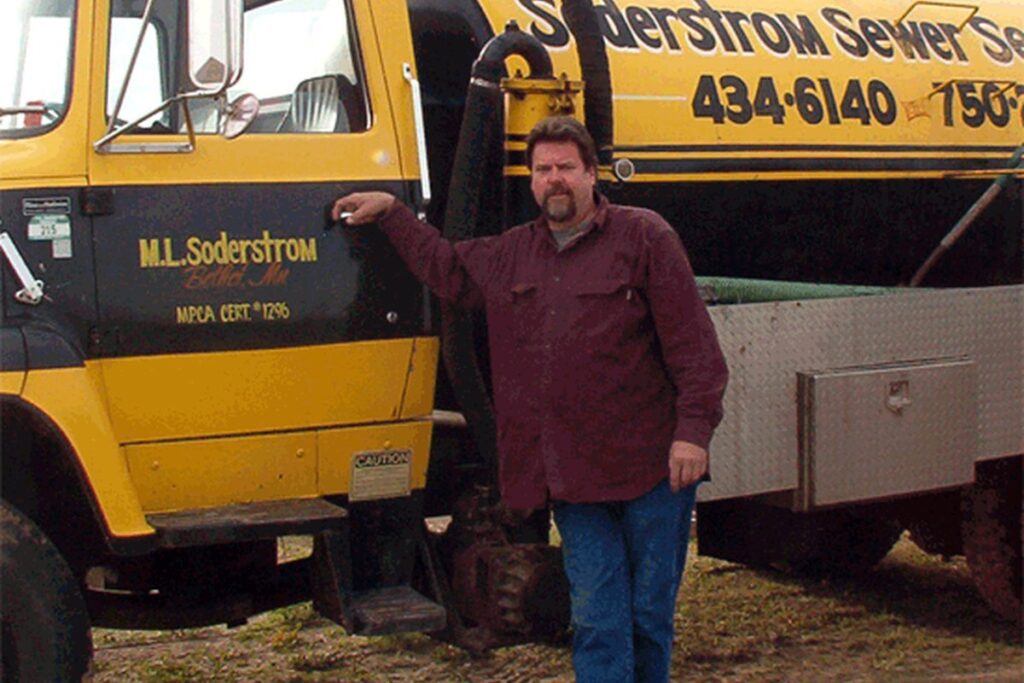
Give us a call—we’ve been doing this for over 65 years. We’ll walk you through it, plain and simple.